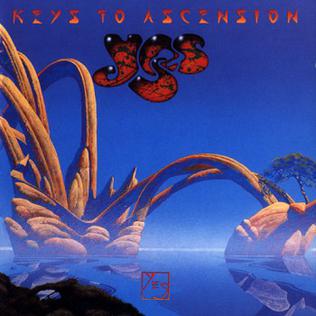
As a teen I really liked Yes, I had forcibly had them played at me by my elder brothers so it was only to be expected. As my disposable income grew, I was able to purchase pretty much all of the band’s back catalogue either on cassette, vinyl or CD. Of course, this was fairly easy to do as the band went on hiatus between 1985 and 1988 then again between 1988 and 1991 and once more until 1994 and the release of Talk.
During those downtimes, no new music was released, instead regular “Best of” or live compilations, but to me, it didn’t matter then. I just went and bought what I could. But then something happened. I began to realise I was paying for the same songs over and over again. Nothing new. Maybe an unusual flourish or a change in tempo but really nothing new. I already had Yessongs, Yes Shows, 9012Live and Classic Yes so when I saw Keys to Ascension in the racking at HMV, I looked at the track listing and thought – why bother?
Keys to Ascension is a two volume compilation album featuring two discs per volume and features recordings from their live shows in 1996 of songs from the Going for the One and Tormato era (Interesting to note as they had just lost Trevor Rabin and Tony Kaye and regained Steve Howe and (briefly once more) Rick Wakeman) and some new tracks which later appeared on Keystudio .
This period of Yes history sets off my prickly brain. I really don’t care much for this period and even though the line up is the classic line up (albeit briefly and accentuated by Billy Sherwood), I don’t fall back into fandom with the band until Magnification and then, as if to take the piss, they do the whole “best of – live” shit again this time with touring live concerts (of which I went to three) until Fly from Here.
Lazy fan fanning and cheesy nineties rock do not make great albums. Indeed, Queensryche, Ayreon and Porcupine Tree were doing much better stuff at this time while Yes were following the Camel route of keeping the fans happy and experimenting. Personally, my music tastes were also changing at this time. I was no longer focussed on bands from my childhood and teenage, I was no longer being fed music by siblings, instead from more knowledgable peers, and I was starting to explore darker musical pathways which would eventually lead to a more mature adult contemporary pantheon of musicians.
At time of writing, Keys to Ascension is not available digitally on either Apple Music or Amazon but is available to buy on Amazon. I couldn’t care less about Google Play and I value my privacy too much to use SpottyFi.
 As a mature media student at Huddersfield Uni, it was fun, and refreshing, to discuss similar musical tastes with my lecturers during tutorials.
 This, it has to be said, is quite possibly the album that has been the most influential in my life. From as young as 11 years old, when introduced to the album by my brother who had won it in a competition, to my teen years where Shitbag Pulling and I would sit around his piano and try to deconstruct its intricacies and beyond into my late twenties, thirties and present day. Not a period of my life has gone by without something being connected or linked to this album.
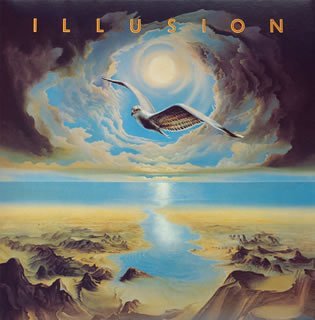
 Since rediscovering this in my collection, I have listened to it nearly every day since. It’s curious how the modern way seems to be more playlist orientated than album driven. As an exercise, I listened to the first album, Renaissance, this album, Illusion, and the following three albums, Prologue, Ashes are Burning and Turn of the Cards, in effect the first 5 albums by the band, to see if I could pinpoint something groundbreaking. I couldn’t but it was fun. But this Renaissance exercise has shown me how important music appreciation skills are in the full enjoyment of music by artists and appreciation of how sound develops over time.
 During the run-up to the next Music Project entry, I had to do a bit of research. Renaissance is one of those true prog bands whose line up has changed so much over the years, they’re unrecognisable to their original form.
 The thing with Canterbury scene folk music is it is as incestuous as progressive rock in that band members swap around like couples swap partners at a swingers party. Indeed, along with the band members, so also comes a very distinctive sound that pervades the music like the sort of odour that lingers inside a musty old caravan. Moreover, Canterbury scene bands blur the prog rock/folk boundaries and it is often difficult to pigeonhole your selected band into the correct genre.

 When this album was released back in 2000, the internet as we know it today was still in its fledgeling state. Websites were mostly created and owned by actual people rather than by corporations and users actually had to seek out their news rather than have it shown to them if an algorithm deigned to do so. As a result, I was only aware it had been released because I saw it while I was browsing the CD racks in HMV.
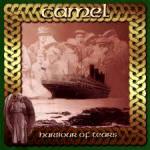 Andy Latimer and Pete Bardens conceptualise the departure of generations from Ireland to seek prosterity in the New World.
 Since we last met Sylvan with their release Artificial Paradise, I’ve actually grown to like them more. I’ll even go as far to say Artificial Paradise is quite a clever little concept album and deserves more ear time. Force of Gravity is another one of those albums that have not had anywhere near the amount of ear time as I would have liked. Getting old sucks kids, don’t do it.
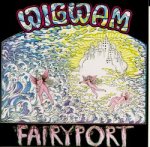 Discovered while exploring the far corners of progressive rock during the noughties, Wigwam’s 1971 opus Fairyport is a curious album. While not in the same attention winning arena as
  When I listened to this album in its entirety for the purpose of the Music Project, I couldn’t help but imagine some sort of Raymond Briggs style animation to accompany it. Something like The Snowman or maybe When the Wind Blows.
 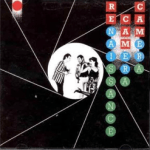 Camera Camera – Renaissance
 Asia by Asia
 Anderson Bruford Wakeman Howe (ABWH)


 Stegzy's Music Project